
College of the Redwoods Repatriating Native Regalia in Compliance with Native American Graves Protection & Repatriation Act
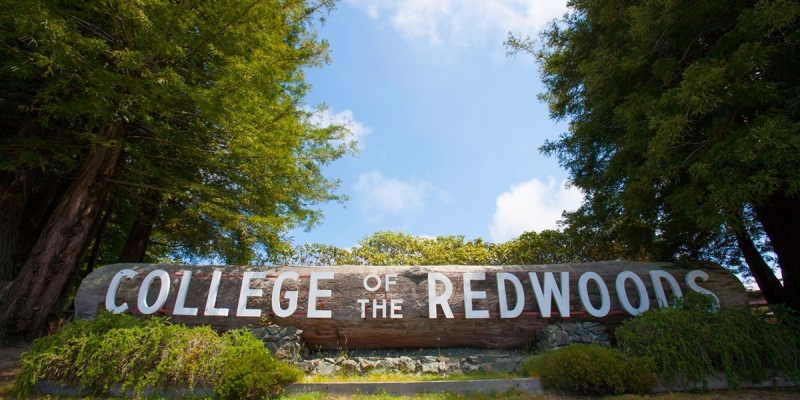
[Photo from College of the Redwoods’ website]
In compliance with the federal Native American Graves Protection and Repatriation Act (NAGPRA) and California’s own NAGPRA (CalNAGPRA), pivotal laws that mandate the return of Native American cultural items to their respective tribes and descendants. College of the Redwoods has initiated the process of repatriating Native baskets and regalia that have been part of the college’s permanent collection since they were acquired from local collector and educator Alice Spinas in 1978.
These laws require agencies and institutions that receive public funding to inventory their collections and identify items that are subject to repatriation. These institutions must then consult with affiliated tribes and lineal descendants to determine if they wish to claim any items.
The 212 sacred objects and objects of cultural patrimony, include baskets and regalia, primarily from Yurok, Karuk, Hupa, and Wiyot peoples. The collection had been stored on campus until 2016-17 when CR Art Professor Cynthia Hooper (now retired) applied for and was granted a sabbatical to decontaminate, restore, and archive the baskets. Throughout the project, she worked with Hupa artist and Director of the Goudi’ni Native American Arts Gallery and the Reese Bullen Gallery and at Cal Poly Humboldt Brittany Britton. Brittany’s expertise ensured their careful and culturally appropriate handling and preservation. Together they designed the current installation of basketry on the second floor of the Student Services Building.
CR purchased the collection to promote coursework and research in Native American cultures. The collection has been an important resource for students and the local community to study the art, history, and culture of this region over the past 40 plus years.
All items in the collection have been and will continue to be treated with respect and care by designated staff and faculty leading the repatriation process. CR intends to repatriate all items in the collection.
Currently the management of the collection and the NAGPRA process are part of the new duties of full-time professor of Native American Studies, Dr. Cintra Agee. This involves not only overseeing the procedural requirements, but also ensuring the physical well-being of the collection. She regularly checks on the baskets and other culturally significant items to make sure the climate is correct, and to reassure them they are going home.
RISE, the CR Native American Student Club, has reached out to express interest in assisting in the repatriation process. CR is very enthusiastic for their desired involvement, as it is always looking for ways to include Native students in important institutional initiatives and projects like this one.
“Let me first thank the CR Administration for its unflagging support of the repatriation process,” states professor of Native American Studies Cintra Agee. “We are pleased and honored to be able to help return the regalia and basketry to their respective homes. The lengthy process has only just begun. We are grateful to be embarking on the first steps of this important work.”


Join the discussion! For rules visit: https://kymkemp.com/commenting-rules
Comments system how-to: https://wpdiscuz.com/community/postid/10599/
It’s admirable for CR to be initiating the repatriation process but in so doing they’re merely following the law.
The original collector apparently documented the provenance of the baskets and other items which makes returning them to their original homes much easier.
The repatriation process can have numerous positive outcomes including honoring and respecting Tribal governments, promoting Tribal engagement and involving Native American students in the process.
“…professor of Native American Studies, Dr. Cintra Agee…regularly checks on the baskets and other culturally significant items to make sure the climate is correct, and to reassure them they are going home.”
Sounds like they’re buying the place with beads and baskets…
They want their land back, but cultural artifacts will help The Indigenous regain their heritage, I suppose…
A nice gesture, makes good copy.
It does help.
There is still an ongoing battle for many tribes, nations to get their actual ancestors back. In 1987 (I think I remember that right) nearly 1000 people‘s remains were finally returned to the tiny village of Larsen Bay (a tiny village) on Kodiak island. Entire graveyards were robbed “for research” and their struggle is still ongoing. The Smithsonian still has around 15,000 people in their “collection”. That’s just from the US, there are as many from other parts of the world as well.
edited: I looked it up, the fucking Smithsonian now has about 10,000 people (from the US) in their “collection”.
All told in the various universities, etc…there are over 100,000 people in their “collections”. Native American, Alaska Natives and Native Hawaiians.
X
My native friends have passed. Their joyous eyes live in dreams.
34 years since the law was passed. What was the hold up?
If you are really interested rather than intending to criticize, the internet has the information readily available. “The Smithsonian requires people with a personal interest or legal right to the remains to issue a formal request, a virtual impossibility for many would-be claimants since they are unaware of the collection’s existence.”
https://www.washingtonpost.com/history/interactive/2023/takeaways-smithsonian-human-brains-remains-collection/
Are you saying that local tribes did not ask?
I visited the Clark museum in 1972 but never returned I was so distresed by the exhibited plunder from the Indianisland massacre. (Since removed)
Smithsonian is not subject to NAGPRA as repatriation for that institution fall under the National Museum of the American Indian Act. NAGPRA has been around for 3 decades, CalNAGPRA for 2 decades. The only reason CR is moving on this now is the recent passage of AB275 requiring publishing both inventories and summaries to NAHC database, along with the recent amendments to NAGPRA requiring free, informed consent from Native American groups prior to display or research on items of cultural patrimony.
Unfortunately, it doesn’t sound like CR has actually followed through with any of the recent changes yet and is doing some “talking good” before “doing good”.
Cintra is so awesome. She was my professor at CR. She has a good heart and really cares about doing the right thing.